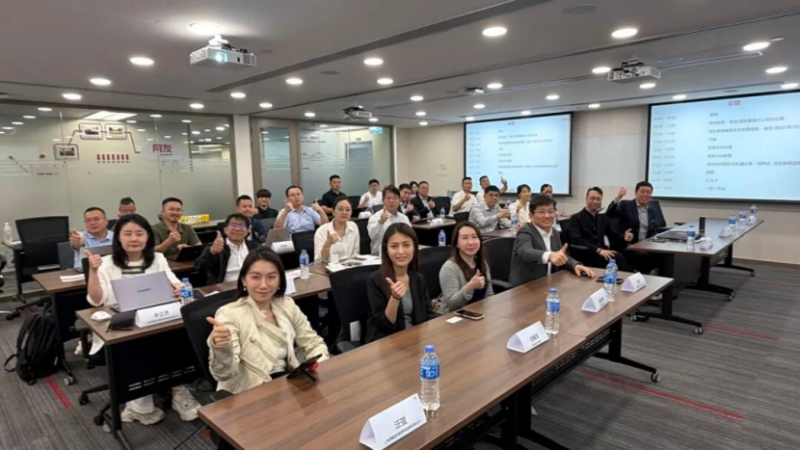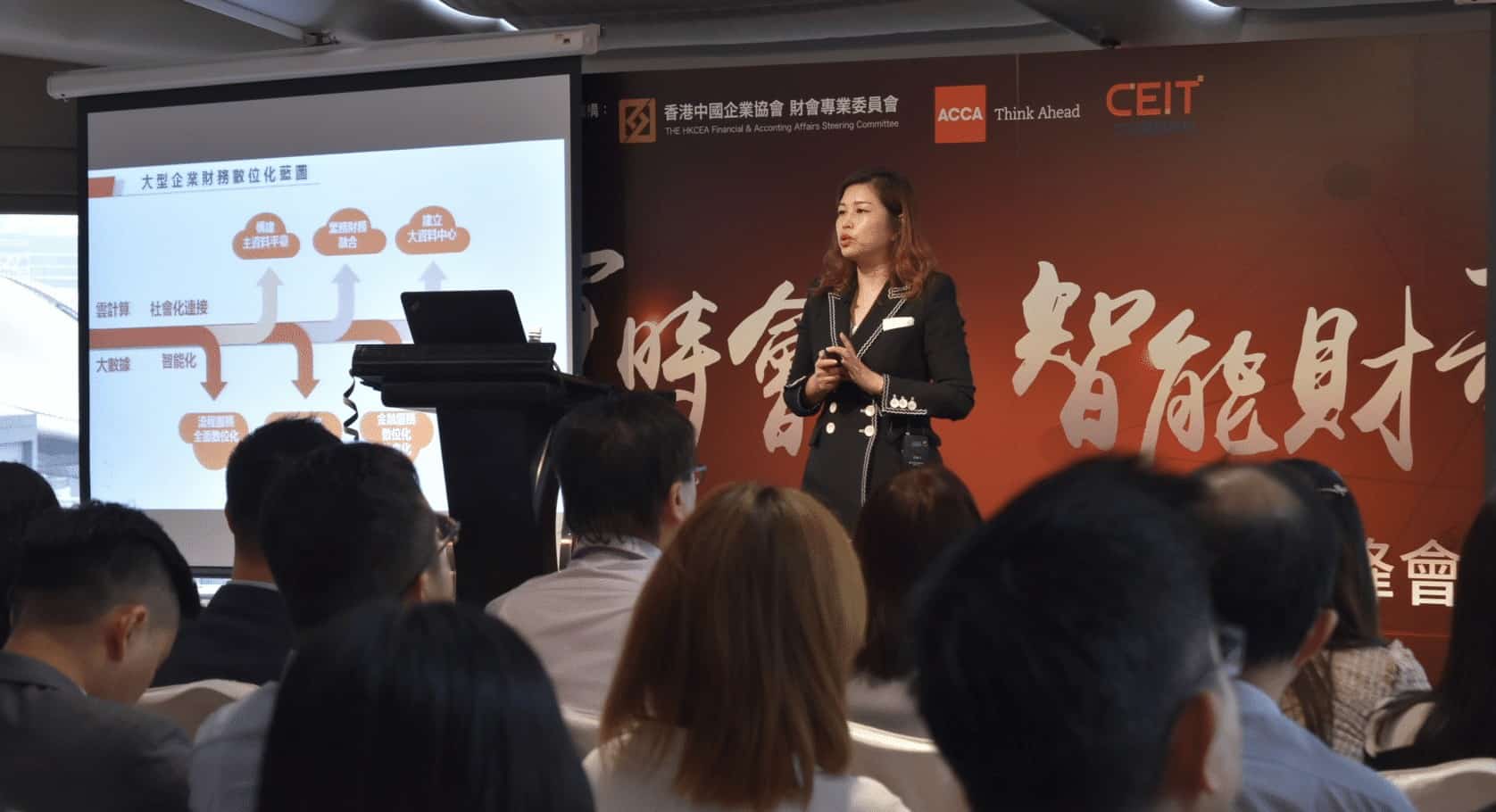
On May 16, 2019, executives from Yonyou Network, the Accounting Professional Committee of the China Enterprise Confederation, and the ACCA (Association of Chartered Certified Accountants), along with nearly 200 industry colleagues, gathered at the Renaissance Harbour View Hotel in Hong Kong to discuss the transformation and innovation of financial management for large enterprises in the digital age.
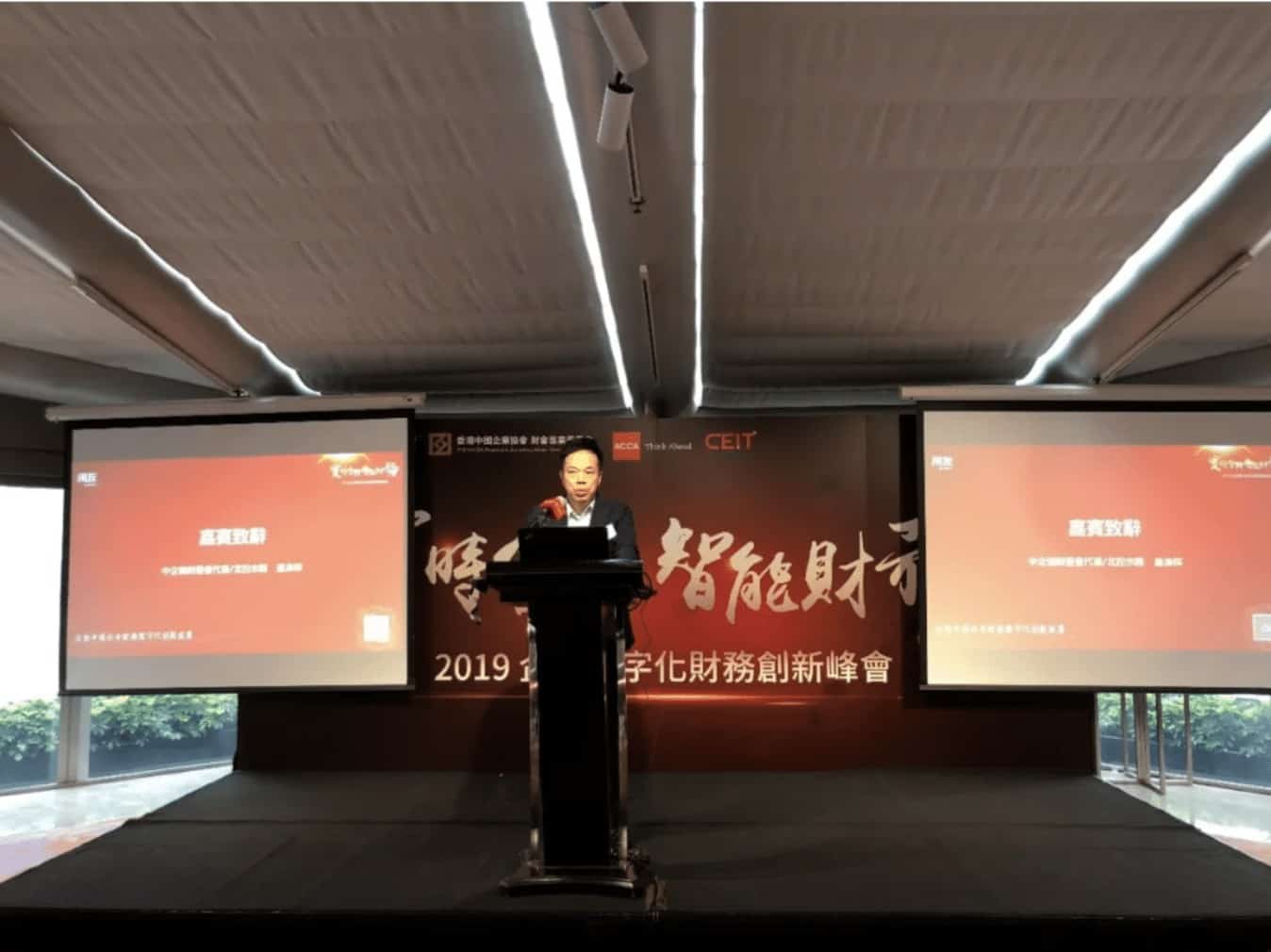
Dong Huanzhang, representative of the Vice Chairman of the Finance Committee of the Hong Kong Chinese Enterprises Association, pointed out that about 45% of CFOs said they have already invested resources in financial and accounting analysis to implement financial digitalization, and about 52% of CFOs said they will invest more resources. This shows that financial management and financial personnel attach great importance to the transformation and upgrading of corporate finance, and it can be said that the digital transformation of corporate finance is imperative.
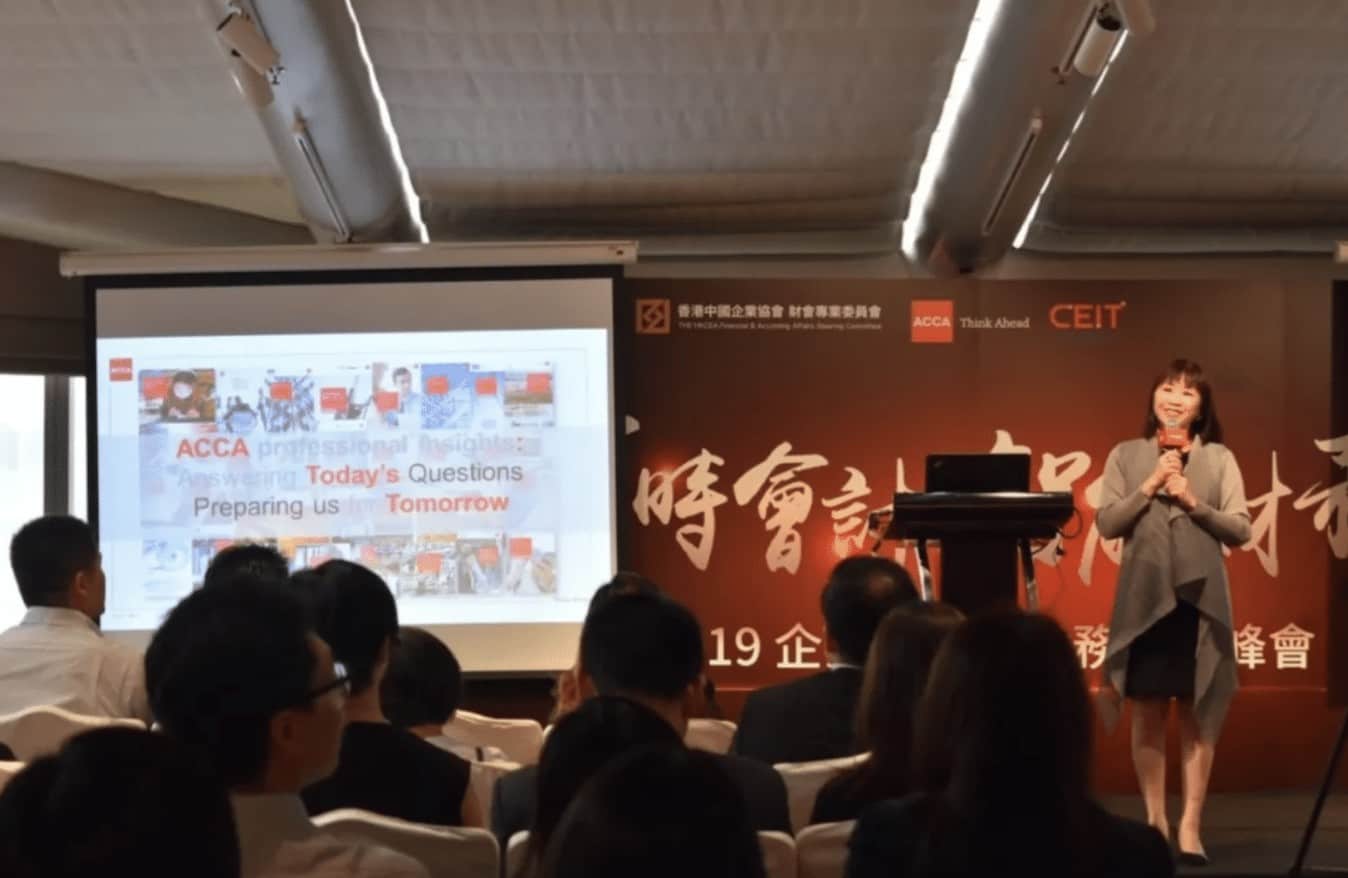
Ms. Zhu Nuanhui, Policy Director of ACCA China, cited examples of how technological advancements can disrupt business models, such as the influencer economy boosting clothing sales. She shared six key outcomes she envisions for financial transformation in 2025:
The traditional Chief Financial Officer (CFO) position will disappear, replaced by Chief Operating Officer (COO) and Chief Strategy Officer (CSO). While many single-function jobs will be replaced by robots in the future, many cross-disciplinary jobs requiring strong communication skills, emotional intelligence (EQ), planning ability to coordinate resources, and creativity will have a very low probability of being replaced by robots.
1. Trustworthy data will be open and shared throughout the organization;
2.The finance function will eventually be virtualized;
3.Under a virtual finance department, traditional roles will disappear, replaced by new roles, new functions, and new career paths;
4.Organizations will be driven by real-time, customer-oriented decision-making;
5.Finance teams will dedicate all their time to product insights. We need finance departments with real-time and comprehensive functions, as well as the ability to access data remotely;
6.The traditional Chief Financial Officer (CFO) position will disappear, replaced by Chief Operating Officer (COO) and Chief Strategy Officer (CSO). While many single-function jobs will be replaced by robots in the future, many cross-disciplinary jobs requiring strong communication skills, emotional intelligence (EQ), planning ability to coordinate resources, and creativity will have a very low probability of being replaced by robots.
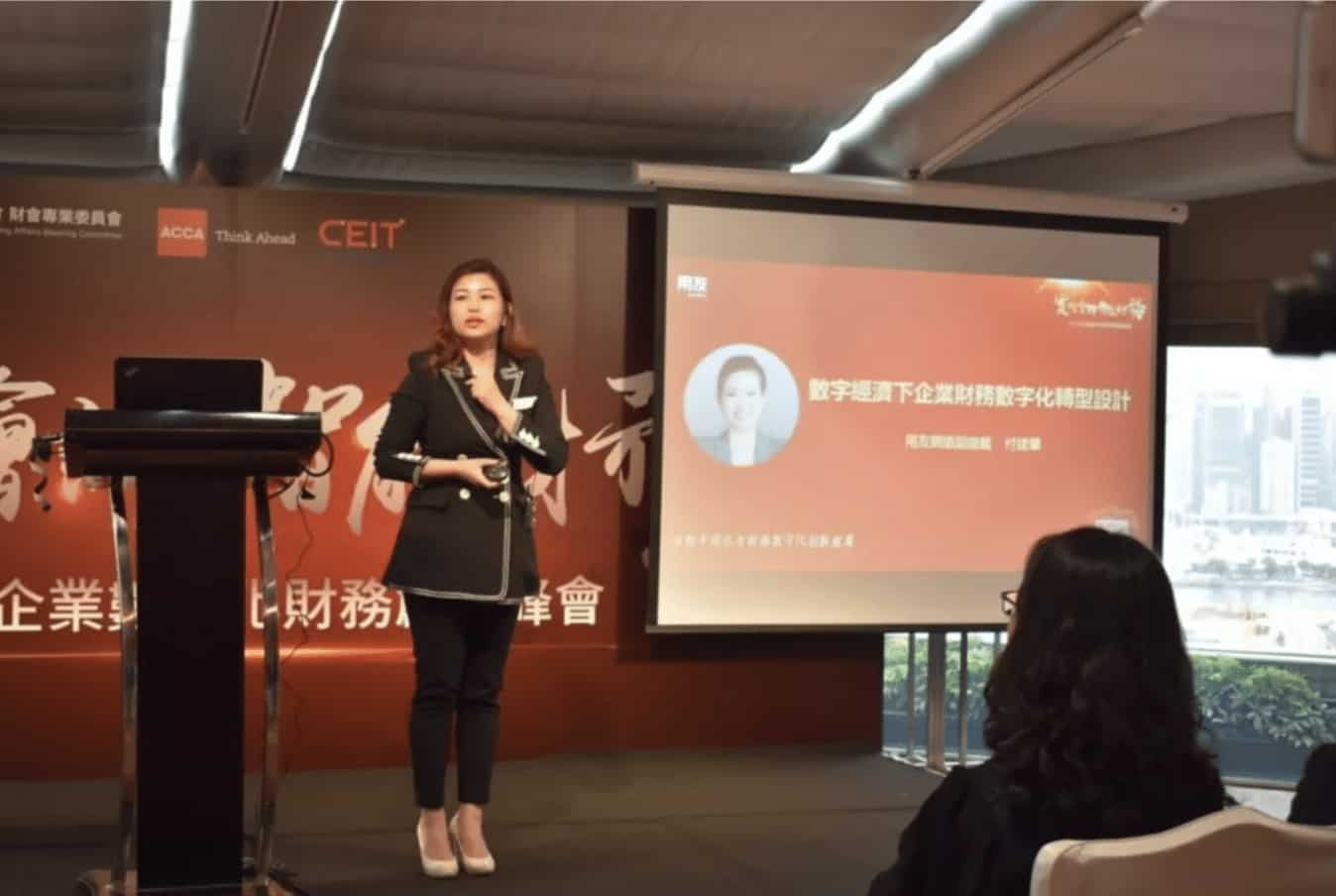
Ms. Fu Jianhua, Vice President of Yonyou Network, pointed out that new technologies have been influencing and changing business models, and these new business models are forcing enterprises to undergo digital transformation. Financial digitalization is the core of enterprise digitalization. She then proposed a blueprint for enterprise financial digitalization in eight directions commonly adopted by large enterprises:
- Building a master data platform;
- Business-finance integration;
- Building a big data center through new business-finance integration technologies to complete a series of management accounting capability developments;
- Comprehensive process digitalization;
- Financial and tax digitalization;
- Ubiquitous financial services;
- Comprehensive digitalization;
- Intelligent financial management.
She stated that in the next thirty years, Yonyou Financial Cloud will provide more enterprises with new services, capabilities, and technology platforms to help them achieve leaps in financial management. She also expressed hope that Yonyou can collaborate with more enterprises to innovate and help them go further on the path of financial management innovation.
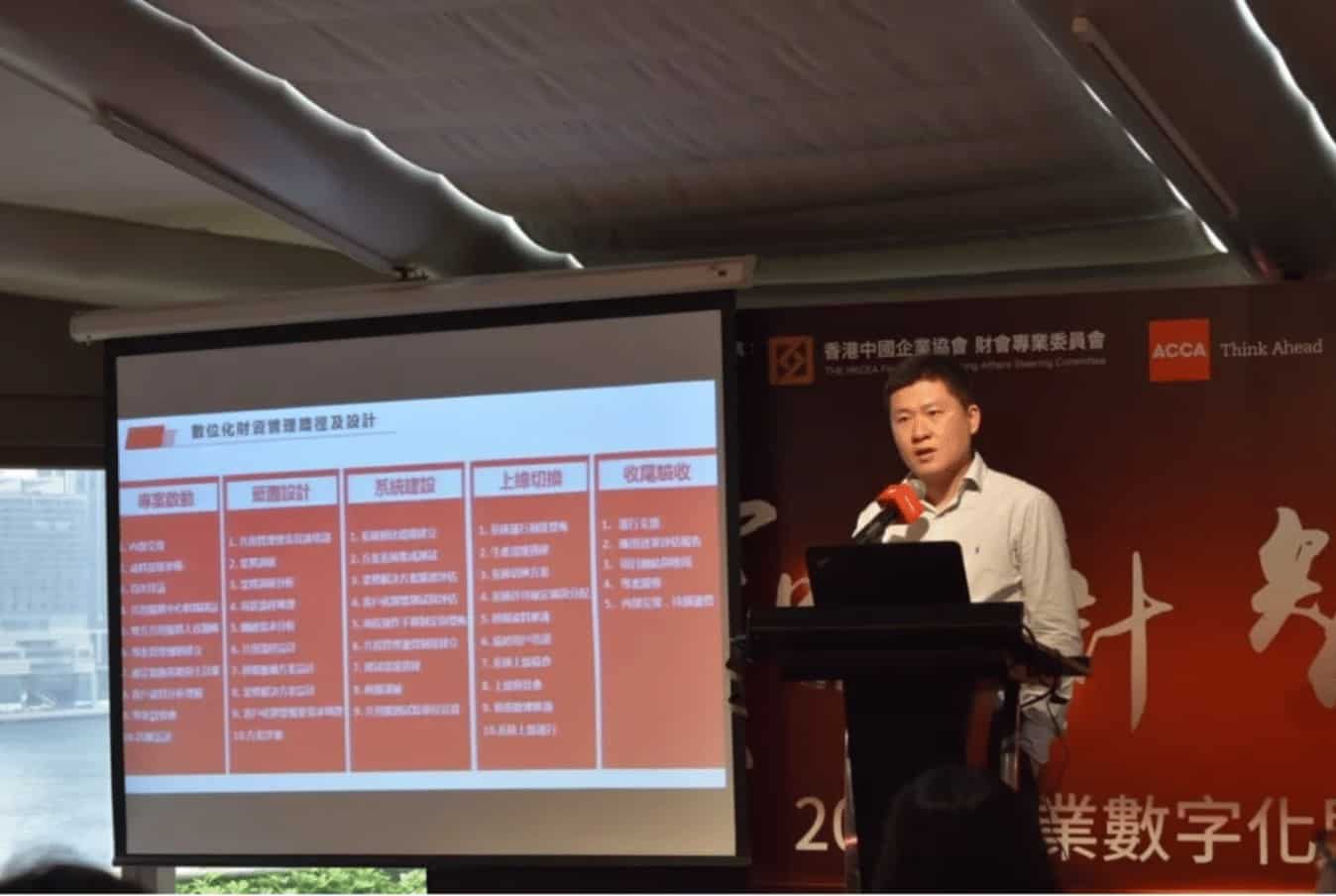
Mr. Hu Wenjie, a financial expert from Yonyou Network, shared his insights on financial shared service center technology. Many companies are currently discussing the construction and operation of financial shared service centers. He summarized the development of financial shared service centers into four dimensions:
1.The future will see intelligent and unmanned operations.
2.From a profitability perspective, financial shared service centers will gradually transform into simulated profit centers, undergoing profit-based performance evaluations, and may even develop into independent profit centers as a future development strategy;
3.Shared service finance is a broad area, and more areas will be shared in the future;
4.Companies should proceed steadily and gradually build their shared service centers;
5.The future will see intelligent and unmanned operations.
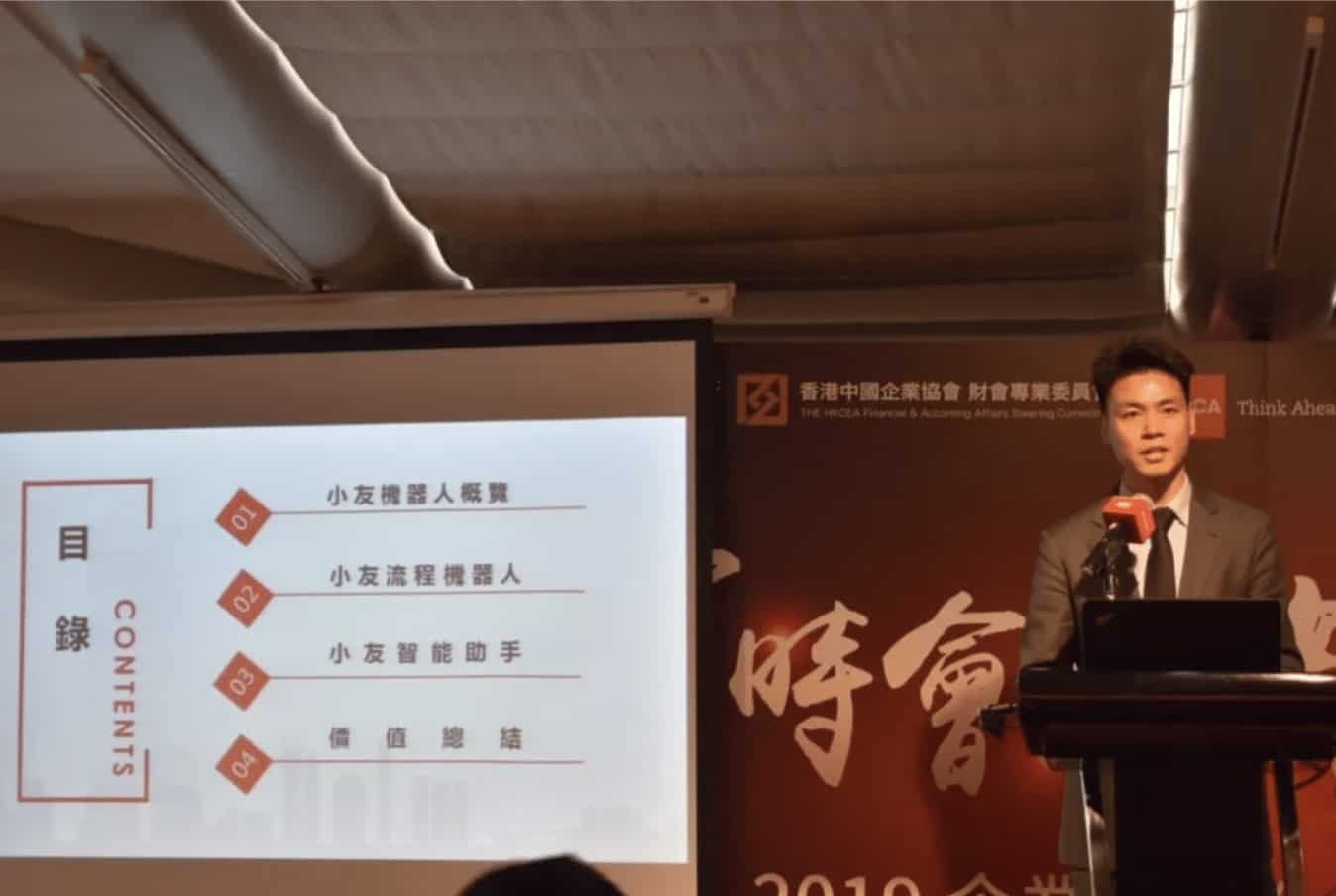
Mr. Zhang Wei, a financial expert from Yonyou Networks, vividly illustrated the value provided by financial automation and intelligence through a video demonstration, including efficiency, quality, scalability, resource control, regulatory compliance, and competitive advantages. These are just a few aspects; in the future, the benefits of intelligent financial management will continue to expand.
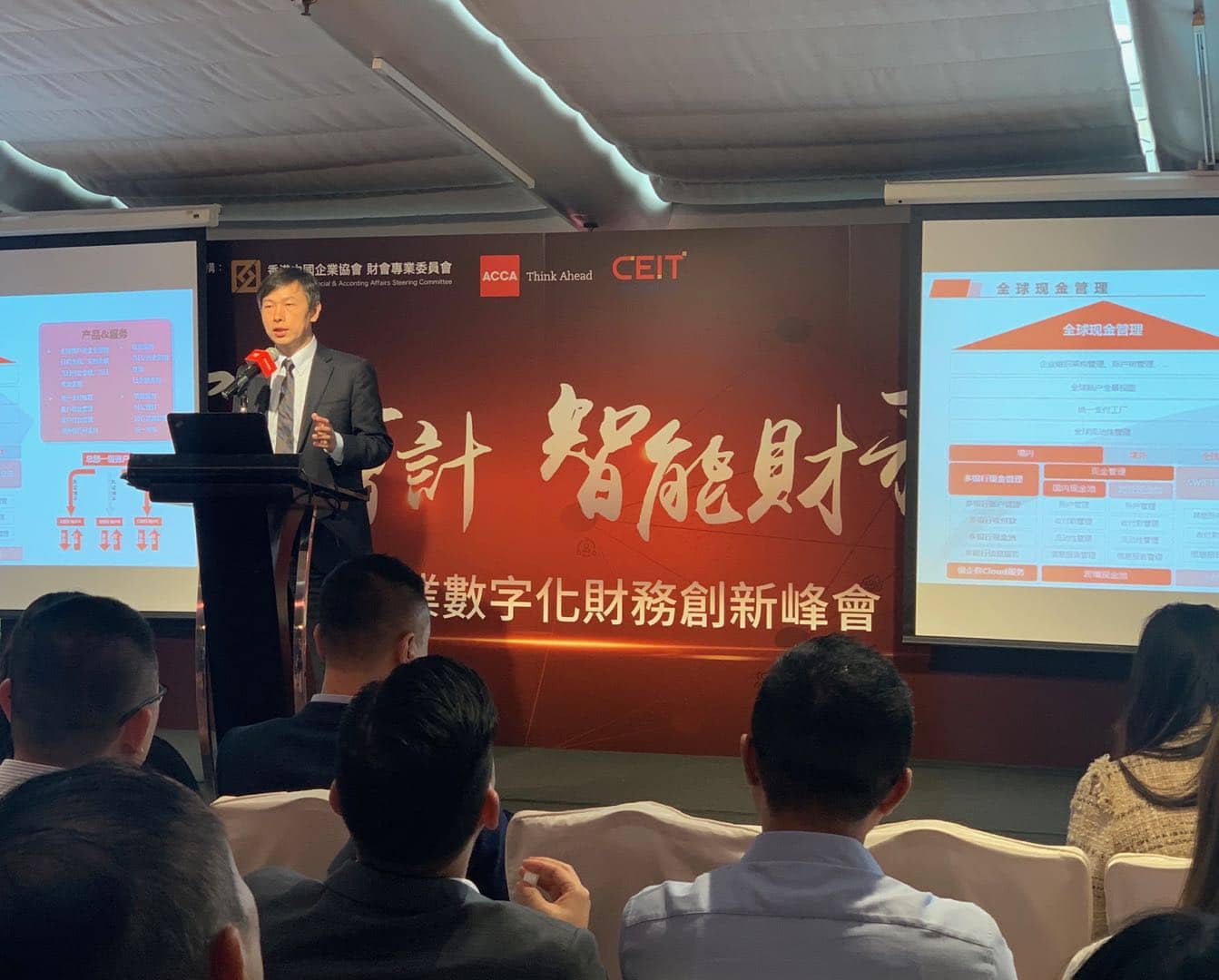
Mr. Zhang Ming, a treasury management expert at Yonyou Networks, pointed out that the digital operation of treasury management requires a resource operation perspective and a strategic corporate approach. This involves constructing an organizational model, functions, and business scope for corporate fund management, pooling corporate funds, integrating external financial resources, reducing financing costs, controlling risks, improving the quality of fund operations, and increasing investment returns.
In the future, large enterprises can only steadily advance in the transformation of financial management by actively embracing technology and financial digitalization. Yonyou is willing to cooperate with all sectors to continuously innovate in the construction of corporate financial digitalization, relying on the power of technology and professional services to continuously lead the digital transformation of corporate finance.